
Spring 2026 Alternative Grading Learning Communities!
Join a small, discussion-based learning community focused on rethinking grading through shared readings, conversation, and practical experimentation.

What is a learning community?
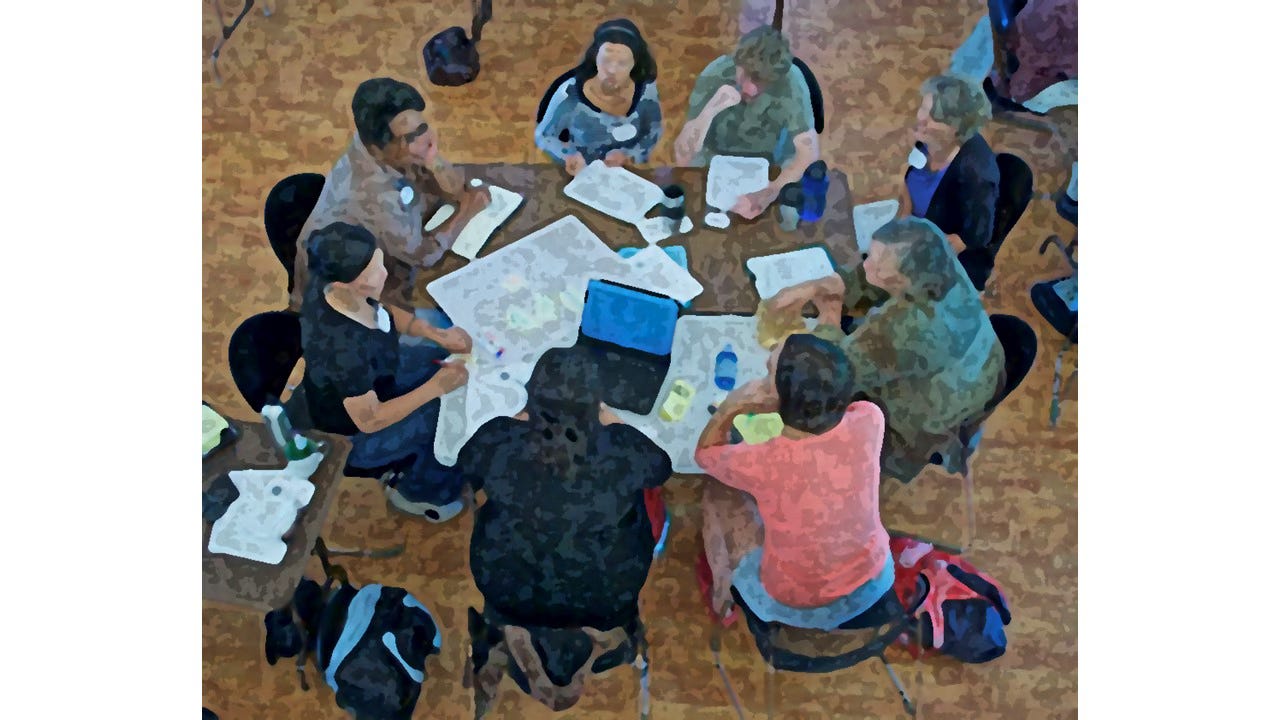
A faculty/professional learning community (FLC or PLC) is a collaborative space where instructors, staff, and graduate students can come together to explore specific themes or issues related to teaching and learning. This collaboration allows participants to share insights, resources, and teaching strategies. Regular meetings (typically every other week) build community and provide opportunities for reflective practice.
How will these learning communities work?
Over the semester, we will meet via Zoom every 2-3 weeks to discuss the readings, share ideas and strategies, and reflect on how we might make small (or big!) changes to our own teaching.
THEME 1: “Grading for Growth” Learning Communities. These communities will read Grading for Growth (David Clark and Robert Talbert). You can choose to register for either learning community. The Grading for Growth learning communities are designed to support instructors in exploring mastery-based and standards-aligned grading practices that emphasize feedback, revision, and learning over time. Through collective reading, discussion, and reflection, participants will examine how grading structures shape student motivation and equity, and will identify concrete ways to redesign assessments, reassessment policies, and grade calculations to better reflect student learning.
Grading for Growth FLC #1 - Wednesdays @ 7:00-8:15pm Eastern Time on Jan 28, Feb 11, Feb. 25, March 18, April 8, April 22, May 6
Grading for Growth FLC #2 - Thursdays @ 2:00-3:15pm Eastern Time on Jan 29, Feb 12, Feb. 26, March 19, April 9, April 23, May 7
THEME 2: “Ungrading” Learning Community. This community will read Ungrading: Why Rating Students Undermines Learning (and What to Do Instead) edited by Susan D. Blum. The Ungrading learning community invites instructors to critically examine the role of grades themselves and explore pedagogical approaches that minimize, delay, or resist traditional grading practices. Through shared readings and dialogue, participants will reflect on power, trust, and student agency in assessment, and consider how feedback, self-evaluation, and reflective practices can support learning in contexts where grades are reduced, reimagined, or decentered.
Ungrading FLC - Tuesdays @ 12:00-1:15pm Eastern Time on Jan 27, Feb 10, Feb. 24, March 17, April 7, April 21, May 5
What is expected of me?
As part of this learning community, you will be expected to attend the meetings, and complete an initial survey (approx. 5-10 minutes), record a brief reflection after each meeting (approx. 5-8 minutes each), and complete a final survey at the end (approx. 5-10 minutes). Because community and collaboration are goals of a learning community, there are limited spaces available. Please register by Friday, January 23!
Learning community participants who complete all of the activities will be eligible for a $50 gift card*
What is alternative grading?
Alternative grading approaches seek to transform the way we evaluate and respond to student work, shifting the emphasis from traditional measures of performance to fostering learning and recognizing effort. Broadly, these methods of evaluation aim to provide clear expectations while allowing students the space to make errors, acknowledging that mistakes are an integral component of the educational journey. There are many types of alternative grading—ungrading, specs grading, contract grading—and a lot of variation in how instructors implement and communicate the grading scheme they have developed.
To read more…
Thinking about specs grading and more on specs grading
I hope you’ll join me in one of these learning communities!

*to be eligible for one of the gift cards, you must complete two surveys and 5 recorded reflections, in addition to attending at least 5 of the 7 learning community meetings